Script
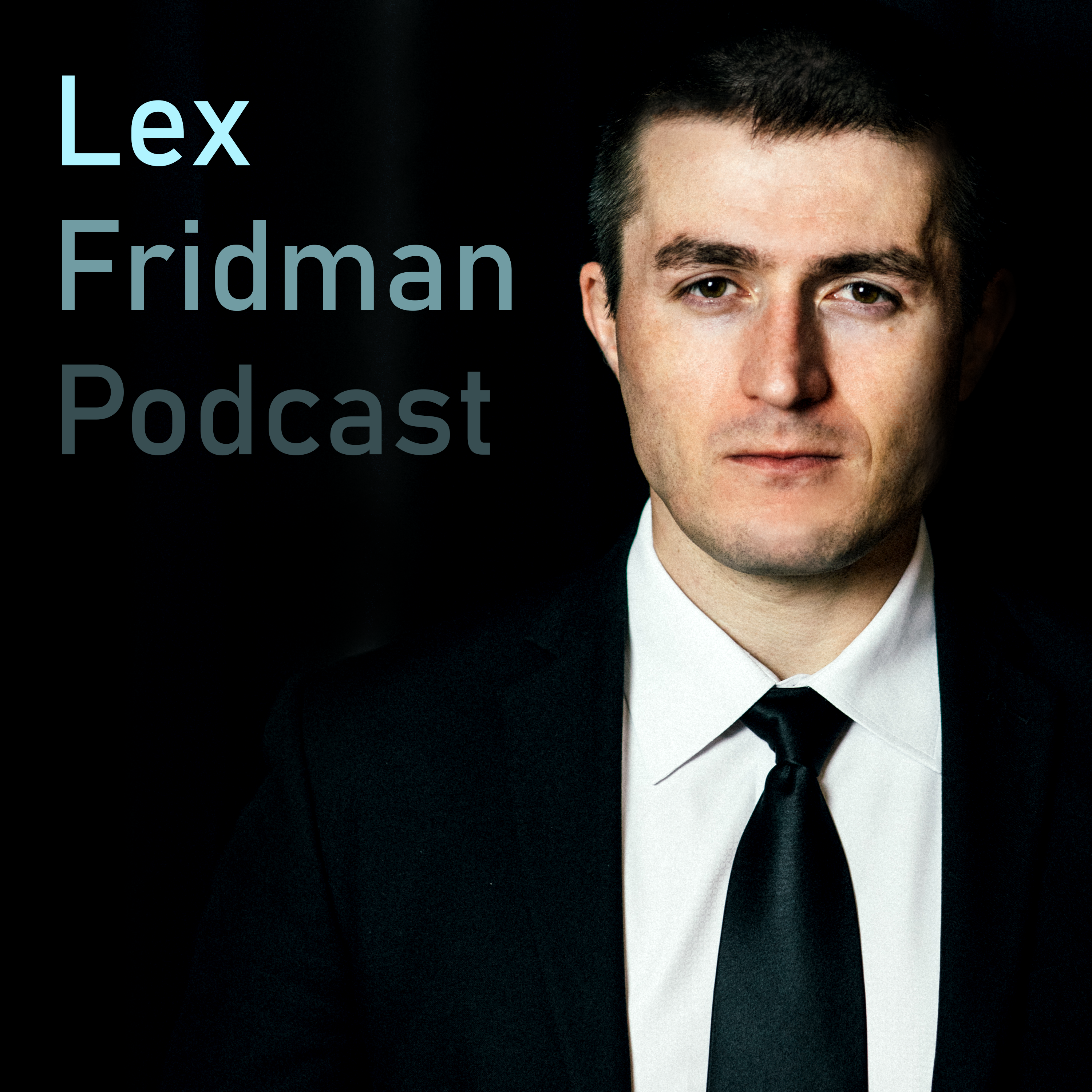
Here is The Daily FM summary of the Lex Fridman Podcast that aired on Wednesday August 12th. Lex Fridman spoke with undefeated former UFC champion Khabib Nurmagomedov in Russian, covering Dagestan, fighting, faith, family, leadership, and even football. [1]
Khabib traced his success to the harsh but highly organized combat-sports culture of Dagestan. He described growing up around a tiny gym built by his father, Abdulmanap, where children trained with little more than mats, a bag, and a rope. The conditions were Spartan, but Khabib argued that combat sports need less infrastructure than sports like football. What matters most is exceptional coaching, intense internal competition, and hunger. Dagestan’s generations of wrestlers became coaches, creating a system in which young athletes constantly face strong opponents and climb a clear ladder from local gyms to Russian and world competition.
He connected that toughness to Dagestan’s geography and history: mountain villages, difficult winters, and centuries of invasions through the Caspian “gate of gates” around Derbent. Khabib said environment, culture, and genetics all shape people. He has now completed a mountain training complex in his home village of Sildi, continuing his father’s dream. It can host roughly 100 athletes and uses high-altitude training, but for Khabib it is also about jobs, meaning, and honoring home rather than profit.
His father was the emotional center of the conversation. Khabib described being raised with discipline, study, chores, and no easy rewards. As a boy, he could earn money by reading and explaining entries from a book about every country in the world. He recommends that parents challenge children, have them read and write by hand, and keep adolescents busy, because too much idle time can be dangerous. His father even made the boys dig pits during camp simply to cultivate work and endurance.
Khabib said his deepest competitive fuel was not love of winning but hatred of losing. He trained four or five hours daily before fights, sometimes adding secret late-night sessions. To reach the absolute top, he argued, an athlete must be “a little crazy” in a productive sense: fanatical, disciplined, and willing to endure years of discomfort. Training creates skill, but repeated competition teaches an athlete to confront fear rather than avoid it.
He explained that MMA attracted him after seeing a cousin submit a stronger wrestler with a triangle choke in a street fight. That showed him that wrestling alone could end once someone was on their back, while MMA was just beginning. His father deliberately entered him into judo, sambo, wrestling, grappling, and other events to build confidence long before the UFC.
On Conor McGregor, Khabib said their rivalry became enormous because it was real, crossing into family, religion, and identity. Yet he insists he stayed calm until the fight ended, guided especially by calls from his father. His final fight against Justin Gaethje was harder emotionally: his father had died, he was injured, and he had already promised his mother he would retire. Inside the cage, he knew he was experiencing a feeling he might never have again.
Khabib praised Fedor Emelianenko, Georges St-Pierre, Shogun Rua, Daniel Cormier, Javier Mendez, Islam Makhachev, Dana White, and Joe Rogan. He believes Islam has a real chance to enter the greatest-of-all-time discussion, though lighter-weight fighters have less time before age catches them.
The conversation ended with faith. Khabib said Islam structures his life around prayer, keeps success from becoming arrogance, and helped him survive his father’s death. His advice was simple: read, seek knowledge, remain humble, keep money in your hands rather than your heart, and remember that life is larger than fame, championships, or temporary happiness. Thank you for listening to Lex Fridman Podcast in 3 minutes from The Daily FM. See you next time! [2]
- Lex Fridman Podcast: #500 – Khabib Nurmagomedov: Dagestan, MMA, UFC, Islam, Conor, Fedor & Football
Speaker A: The following is a conversation with Khabib Nurmagomedov, one of the greatest fighters of all time who retired from the UFC undefeated with a perfect 29, 0 record. It was a huge honor for me to meet him, to train together and to have this deep conversation. We had this conversation entirely in Russian. This was my first time doing so on this podcast. And even these words I'm saying right now are spoken in Russian. So if you're hearing me in English, you're actually listening to the English dub on YouTube. You can switch between language audio tracks by clicking the Settings gear icon, then clicking Audio track and then selecting the language you pre...
- Lex Fridman Podcast: #500 – Khabib Nurmagomedov: Dagestan, MMA, UFC, Islam, Conor, Fedor & Football
...e and support all these years. I love you all. And now a quick few second mention of a sponsor. Check them out in the description or@lexfriedman.com Sponsors it is in fact the best way to support this podcast. And by the way, as a brief aside, you're probably listening to this on Spotify or rss. And so this is an interesting experiment because the original conversation is done entirely in the Russian language. So, ladies and gentlemen, What you will be listening to is actually an English dub, but on YouTube you can listen also to the Russian original with subtitles in both Russian and English. I think all of that is explained in the intro. I just wanted to say it one more time. We're always trying new things, experimenting. So thank you for your patience, your support along the way. Spasiba Agrone sefcio. All right, back to the sponsors. We got Whisper Flow for voice...